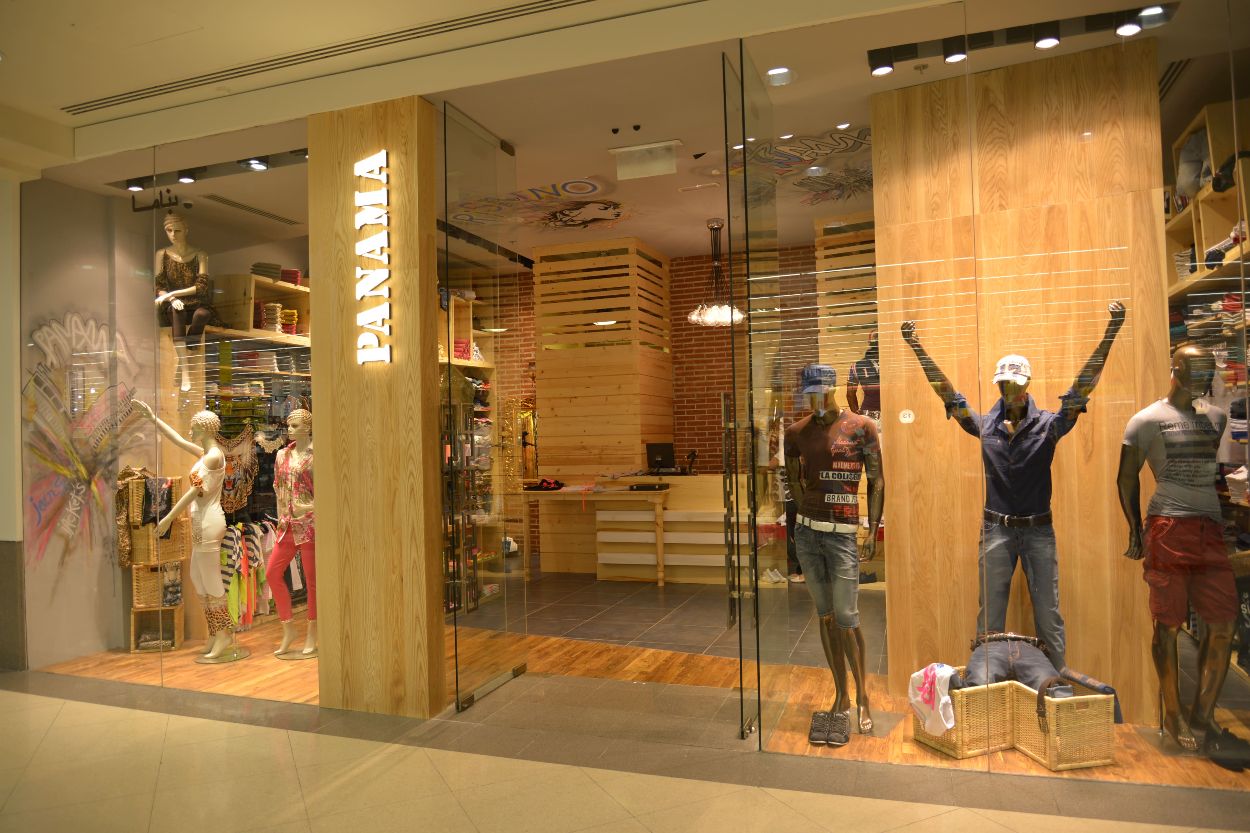
Why Some Spaces Sell More Than Others:
The Hidden Psychology Behind Commercial Interior Design in Dubai
Two spaces. Same street. Similar budgets. Similar concepts. One becomes the place everyone talks about. The other wonders, quietly, what went wrong. The difference is rarely what most business owners expect, and understanding it is the beginning of everything.
The business reality most owners overlook
You have built something you believe in. The product is right, the team is ready, the location is good. But the moment a customer walks through your door, before they order, before they browse, before they sit down, they have already made a judgment.
Not about you. About the space.
Your physical environment is not the background to your business. It is an active participant in every transaction that happens inside it. It is working for you or against you from the moment the door opens, and most business owners in Dubai only discover which one when the numbers start telling the story.
It influences:
- How long customers stay, and how much they spend while they do
- How they perceive your brand before a single word is exchanged
- Whether they feel compelled to return, or simply do not come back
In a market where expectations are genuinely high and every competitor is fighting for the same attention, design is no longer a finishing touch. It is strategy.
Design is not decoration, it is behavior
Most commercial projects begin with the same brief: “Make it look good.”
It is the wrong place to start.
The spaces that truly perform, the restaurants with full tables on a Tuesday night, the offices where people arrive early, the retail stores where browsers become buyers, were not designed to impress. They were designed to guide. Every element was placed with a purpose. Every detail was chosen because of how it makes people feel and what it makes them do next.
A customer walks into a restaurant. They do not consciously notice the lighting, the acoustic panels, or the way the seating is arranged. They simply feel comfortable. They sit down. They stay longer. They order more. They come back. Not one of those outcomes was accidental.
This is commercial interior design done correctly. Not visible. Not impressive. Simply effective, in the truest sense of the word.
The psychology behind high-performing spaces in Dubai
Every detail in a commercial interior influences how people think, feel, and behave, most of the time without them realising it. Understanding these mechanisms is what separates a beautiful space from a performing one.
Element 01
Lighting, setting the emotional tone
Warm light creates comfort and invites people to slow down. Cooler light sharpens focus and signals professionalism. Layered lighting adds depth that people feel without being able to name. In a restaurant, the right lighting keeps tables occupied longer. In an office, it protects energy through the afternoon. Poor lighting, in even the most expensive space, creates a discomfort that quietly drives people away.
Element 02
Layout, the flow of experience
Where do people enter? Where do they naturally pause? Where do their eyes go first? A space that answers these questions correctly makes the customer’s journey feel effortless. A space that ignores them creates friction, missed products, awkward movement, interactions that never quite happen. In Dubai’s commercial environments, where the guest experience defines the reputation, flow is not a detail. It is the foundation.
Element 03
Materials, perceived value before a word is spoken
Dubai clients are design-aware in a way that is distinct from almost any other market. They read materials. Natural stone communicates permanence. Timber communicates warmth. Precision metalwork communicates attention to detail. The material palette of your space tells a story about your standards before your team says a single word, and it will either confirm your price point or quietly undermine it.
Element 04
Colour, communication before logic
Colour reaches people faster than thought. Neutral tones signal calm and refinement. Deep tones create exclusivity. Warm accents generate energy and pull attention. In a restaurant, colour influences appetite and mood. In a retail environment, it directs the eye. In an office, it shapes the culture of the room. Used without intention, colour is noise. Used with precision, it is one of the most powerful tools in the space.
The real cost of designing without strategy
We understand this conversation is uncomfortable. Nobody invests in a space hoping to be told it did not work. But the truth, and we owe you the truth, is that we see it regularly.
Spaces built with genuine care and real budgets. Spaces that look beautiful in photographs. Spaces that simply do not perform because the design was built around appearance rather than purpose.
The cost of poor commercial design is never just aesthetic. It is the customers who do not return. The team that does not settle. The brand perception that forms in the first thirty seconds and never fully recovers. Fixing a space after completion always costs more, in money, in time, and in the reputation that was quietly lost while the problems were building.
This is not said to alarm you. It is said because understanding this risk is what allows you to avoid it, and because you deserve a partner who is honest about what is at stake.
Experience matters, especially in Dubai
What works beautifully in London, Milan, or Tokyo does not automatically translate here. Dubai is its own world, and designing for it requires more than creativity imported from elsewhere.
It requires genuine understanding of how people in this city live, socialise, work, and make decisions. The cultural rhythms. The hospitality expectations. The particular relationship between indoor and outdoor space in a climate like this one. The way luxury is read differently here than anywhere else on earth.
These things cannot be learned from a design book. They come from years of completed projects, real spaces, real clients, real feedback from the market itself. Understanding client expectations, lifestyle patterns, and commercial behaviour in the UAE is what separates average design from results that last.
Beyond trends, designing for performance
Trends have a shelf life. A space built to look current today will need to be rebuilt in three years. We have watched it happen to some of the most visually impressive openings in Dubai, stunning at launch, dated before the lease renews.
The spaces that endure are built on something more durable than what is fashionable right now:
- Clarity in layout, people always know where to go and feel comfortable getting there
- Balance in materials, quality that ages with dignity rather than showing its age
- Precision in execution, the details your clients notice without knowing why
- Alignment with brand identity, so the space tells your story, not someone else’s
When these elements come together, the result is not just a space that looks exceptional. It becomes a performing asset, one that works for your business every hour it is open.
“The most successful commercial spaces in Dubai are not the most photographed ones. They are the ones people talk about after they leave, and return to without needing a reason.”
The silent power of word of mouth in the UAE
Marketing in Dubai is loud. Every opening is announced. Every renovation is celebrated. And yet the businesses that build the deepest, most durable reputations here do not lead with marketing. They let the experience do the work, and the experience begins the moment someone steps through the door.
When a space truly works, something happens that no advertising budget can replicate: people talk. They bring friends. They recommend without being asked. They become advocates not because they were sold to, but because they felt something inside your walls, and they want the people they care about to feel it too.
In the UAE, word-of-mouth remains one of the strongest signals of genuine quality. It cannot be manufactured. It can only be earned, one well-designed space at a time.
Spaces that work, not just impress
A well-designed commercial space in Dubai does more than photograph beautifully. It supports the growth of your business. It elevates how your brand is perceived. It creates the kind of customer experience that justifies your prices and earns loyalty that outlasts any promotion.
Whether it is a restaurant with tables that stay full, an office where your best people want to spend their time, or a retail space where the product almost sells itself, the difference, in every case, comes back to design.
The right question to start with
What should this space achieve for your business, and for every person who walks through its door?That is where every project at Magicpoint begins. Not with a mood board. Not with a budget conversation. With a genuine understanding of what you are building and who it is for.
When design is aligned with purpose, it stops being an expense. It becomes the reason people choose you over everyone else on the same street.
The first conversation is free. And it begins with listening.