Why Clients Trust Magic Point After 17+ Years

Why Clients Trust Magic Point After 17+ Years

What Experience Teaches That Trends Never Can

In interior design and fit-out, beautiful spaces are important. But long before construction begins, materials are selected, or furniture arrives on site, another decision has already been made.

Trust.

Because when clients choose an interior design company in Dubai, they are not simply hiring contractors or designers. They are trusting a team with an idea they cannot yet fully see.

A vision that exists only in conversations, sketches, layouts, concepts, and imagination.

Whether it is a luxury villa, hospitality destination, retail environment, or commercial office, every project begins with confidence in the people behind it.

And after more than 17 years in the UAE interior design industry, Magicpoint Decoration has learned one important truth:

Exceptional interiors are not built on drawings alone.

They are built on trust, experience, consistency, and the ability to deliver on promises.

Trust Begins Before Construction Starts
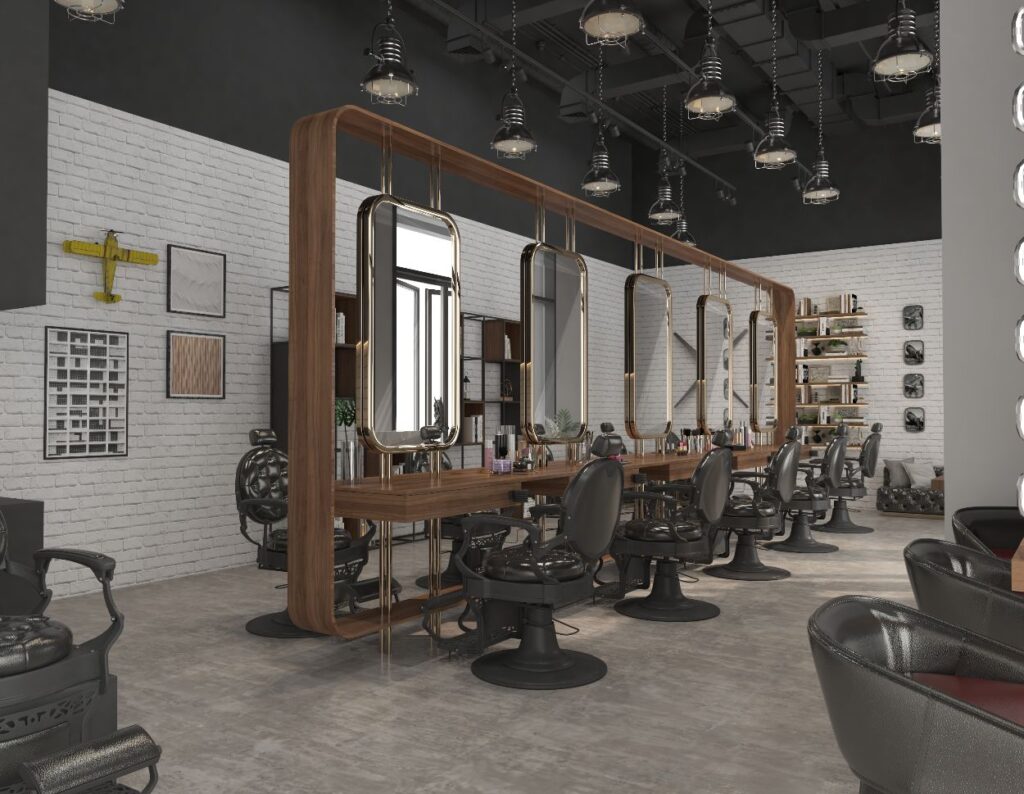
Black Mustache Hair Saloon, Dubai

Every interior project involves more than budgets, finishes, and timelines.

Clients invest:

  • Their expectations
  • Their lifestyle goals
  • Their business vision
  • Their time
  • Their confidence

This is especially true in luxury interior design projects, where every detail matters.

When someone renovates a villa, builds a hospitality space, or develops a corporate office, they are trusting professionals to transform ideas into reality.

That responsibility goes far beyond aesthetics.

It requires:

  • Clear communication
  • Professional project management
  • Attention to detail
  • Reliable timelines
  • Consistent execution
  • Long-term accountability

This human side of interior design is often what clients remember most.

Seventeen Years of Experience Means Thousands of Decisions

When people hear that a company has operated for over 17 years, they often think only about the number itself.

But in reality, experience is measured differently.

Experience is measured in decisions.

Thousands of site visits.
Thousands of conversations.
Thousands of design choices.
Thousands of challenges solved quietly behind the scenes.

No two interior projects are ever identical.

Every client has different priorities, expectations, concerns, and goals.

Some clients are building dream homes for their families.

Others are creating luxury hospitality environments that must impress guests daily.

Some are developing retail spaces that need to attract customers and strengthen brand identity.

Others are designing offices that improve productivity and collaboration.

Every project asks different questions.

Experience teaches how to find the right answers.

Not because every challenge has already been seen before, but because experience develops the ability to:

  • Anticipate problems
  • Adapt quickly
  • Make informed decisions
  • Understand client expectations
  • Balance creativity with practicality

And in construction and fit-out, adaptability matters enormously.

Different Projects, Same Responsibility
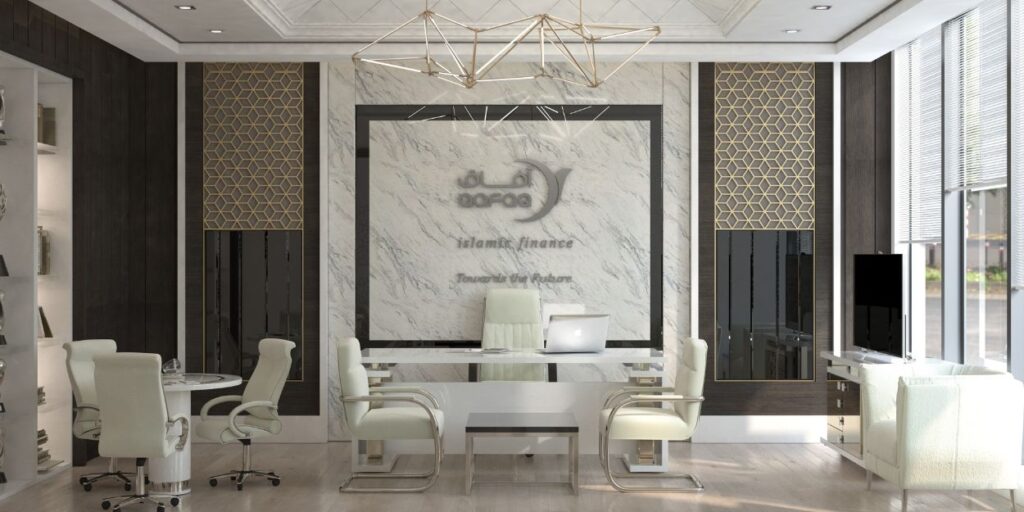
Aafaq Islamic Finance

Over the years, Magicpoint Decoration has contributed to a diverse portfolio of interior design and fit-out projects across the UAE.

These include:

  • Luxury villas
  • Hospitality spaces
  • Retail interiors
  • Commercial offices
  • Corporate meeting spaces
  • High-end residential projects

Each environment requires a completely different design approach.

A luxury villa should feel personal and comfortable.

A hospitality project should feel welcoming and memorable.

A retail environment should encourage customer engagement.

A workplace should support focus, productivity, and collaboration.

The details may change from project to project.

The responsibility remains the same.

Every client wants a finished space that delivers on its promise.

This is where experience becomes invaluable.

Because successful interior design is not measured only by appearance.

It is measured by how effectively the space supports the people using it every day.

Good design serves people.

Great design understands them.

What Luxury Clients Really Want

Many people assume luxury clients are mainly searching for expensive materials, statement lighting, or custom furniture.

While these elements certainly contribute to luxury interiors, they are rarely the main reason clients choose a company.

What luxury clients truly value is confidence.

Confidence that:

  • Timelines will be respected
  • Communication will remain clear
  • Problems will be solved professionally
  • Quality will not be compromised
  • The final result will justify the investment

Luxury is not simply about appearance.

Luxury is about certainty.

It is the feeling that every detail is being handled carefully and professionally.

This is why trust and luxury often go together.

Because true luxury extends beyond aesthetics.

It includes:

  • Reliability
  • Professionalism
  • Consistency
  • Accountability
  • Peace of mind

Experience Working on High-Profile UAE Projects
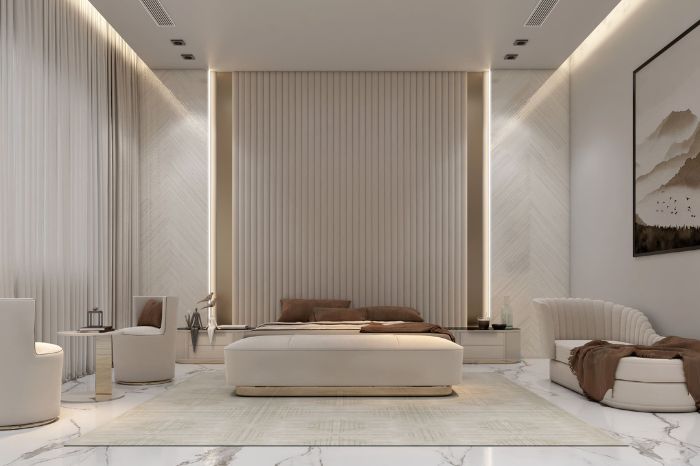
PRIVATE VILLAS

Operating in the UAE interior design industry for more than 17 years creates opportunities to contribute to a wide range of prestigious projects.

Over the years, Magicpoint Decoration has worked on projects associated with respected organizations such as:

  • Emaar Hospitality Group
  • Emaar Properties

Projects have included:

  • Arabian Ranches Golf Club
  • Vida Beach Resort Umm Al Quwain
  • Dubai Hills meeting booth decoration works
  • Hospitality fit-out projects
  • Corporate meeting room enhancements

These projects varied greatly in scale and purpose, but they all reinforced one important lesson:

Exceptional interiors are rarely created through one dramatic decision.

They are built through hundreds of thoughtful decisions executed correctly.

A carefully selected material.

A well-positioned light fixture.

A thoughtfully designed meeting space.

A hospitality environment planned around guest comfort.

A layout designed for functionality and flow.

Professionals understand that successful interior design is built through consistent attention to detail.

Again and again.

Project after project.

Why Experience Matters More Than Trends

The design industry changes constantly.

New materials appear.
New styles dominate social media.
New trends become popular overnight.

Some trends remain relevant.

Many disappear quickly.

Trends can inspire creativity, but experience offers something far more valuable:

Perspective.

Experience teaches:

  • Which materials age beautifully
  • Which layouts support daily living
  • Which design decisions continue adding value years later
  • Which details improve comfort and functionality
  • Which trends are worth embracing and which are temporary

This is why the most successful interior design projects balance modern inspiration with timeless principles.

After years in the industry, one pattern becomes clear:

The interiors people continue loving after five years are rarely the ones designed entirely around trends.

They are the ones built around:

  • Comfort
  • Quality
  • Functionality
  • Human experience
  • Timeless design principles

Trends evolve.

Good design endures.

Why Clients Continue Returning

One of the strongest signs of trust is not the first project.

It is the second.

And the third.

And the recommendation that follows.

Clients return when:

  • Expectations are met
  • Communication stays transparent
  • Quality remains consistent
  • Problems are handled professionally
  • Teams remain accountable

In interior design and fit-out, consistency becomes one of the most valuable qualities a company can offer.

Trust is not built through marketing alone.

Trust is built through repeated experiences over time.

Because while technologies, materials, and trends continue changing, human expectations remain surprisingly consistent.

People still value:

  • Honesty
  • Reliability
  • Professionalism
  • Quality workmanship
  • Clear communication
  • Teams that genuinely care about outcomes

The Difference Between Completing a Project and Standing Behind It
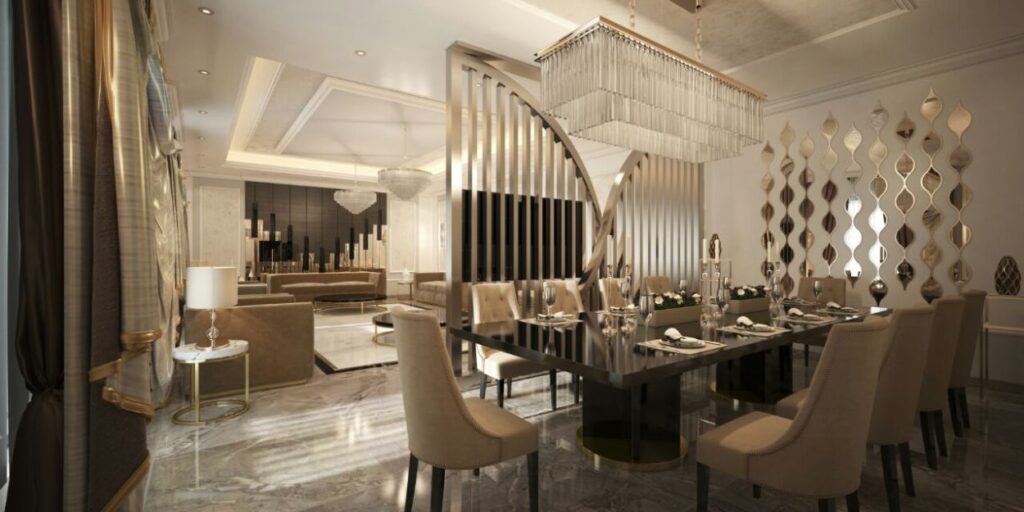
Private Villa, Dubai

Many companies finish projects.

Far fewer continue standing behind them.

This distinction matters enormously.

Completing construction is one milestone.

Supporting clients beyond project completion is a commitment.

Questions may arise after handover.

Adjustments may be needed.

Guidance may still be required.

The most respected interior design companies understand that reputation is built not only through delivery, but through responsibility and long-term support.

Clients remember:

  • How challenges were handled
  • Whether commitments were honored
  • How communication was maintained
  • Whether problems were resolved professionally

Often, these moments influence trust even more than the final photographs.

Looking Ahead: The Future of Interior Design in Dubai

Dubai continues evolving rapidly.

Its architecture evolves.
Its hospitality sector grows.
Its residential and commercial developments continue expanding.
Interior design trends continue changing.

Yet some principles remain timeless.

People still want spaces that make them feel comfortable.

They still appreciate quality craftsmanship.

They still value thoughtful details and emotional comfort.

The future of interior design will introduce:

  • New technologies
  • Smart materials
  • Sustainable innovations
  • Advanced construction methods

But the foundation of successful projects will remain remarkably familiar:

Understanding clients.
Respecting commitments.
Delivering quality.
Earning trust.

Final Thoughts

At the end of every project, people see the visible results:

The lighting.
The materials.
The finishes.
The atmosphere.
The craftsmanship.

But behind every successful interior lies something less visible.

Trust.

Trust built through communication, professionalism, consistency, transparency, and years of experience.

After more than 17 years, Magicpoint Decoration has learned that beautiful interiors are important.

But beautiful interiors alone do not create long-term relationships.

Trust does.

Trends come and go.

Materials evolve.

Technologies improve.

But trust remains one of the few things in interior design that never goes out of style.

And perhaps that is why clients continue choosing experienced interior design companies for projects that truly matter.

Frequently Asked Questions

Why is experience important when choosing an interior design company in Dubai?

Experience helps interior design companies anticipate challenges, manage projects efficiently, make informed decisions, and consistently deliver high-quality results across different project types.

What types of projects does Magicpoint Decoration handle?

Magicpoint Decoration works on luxury villas, hospitality spaces, retail interiors, commercial offices, corporate environments, and high-end residential fit-out projects across the UAE.

What makes a successful luxury interior design project?

Successful luxury interiors combine functionality, comfort, thoughtful design, quality materials, refined craftsmanship, and precise project execution.

Why do clients choose established fit-out companies?

Established companies bring proven systems, practical knowledge, reliable project management, and long-term accountability that help reduce risk and improve project outcomes.

Why is trust important in interior design projects?

Clients invest in a vision before seeing the final result. Trust helps create confidence that timelines, quality, communication, and expectations will be properly managed.

How does hospitality design experience improve interior projects?

Hospitality projects require exceptional attention to detail, guest comfort, atmosphere, and functionality — skills that improve all types of interior environments.

Why do timeless design principles matter?

Timeless interiors remain attractive, functional, and relevant for years because they focus on comfort, balance, quality, and long-term usability instead of temporary trends.

How can clients maximize long-term value from interior investments?

Clients can maximize value by focusing on quality materials, experienced professionals, thoughtful layouts, timeless design principles, and functionality that supports future needs.
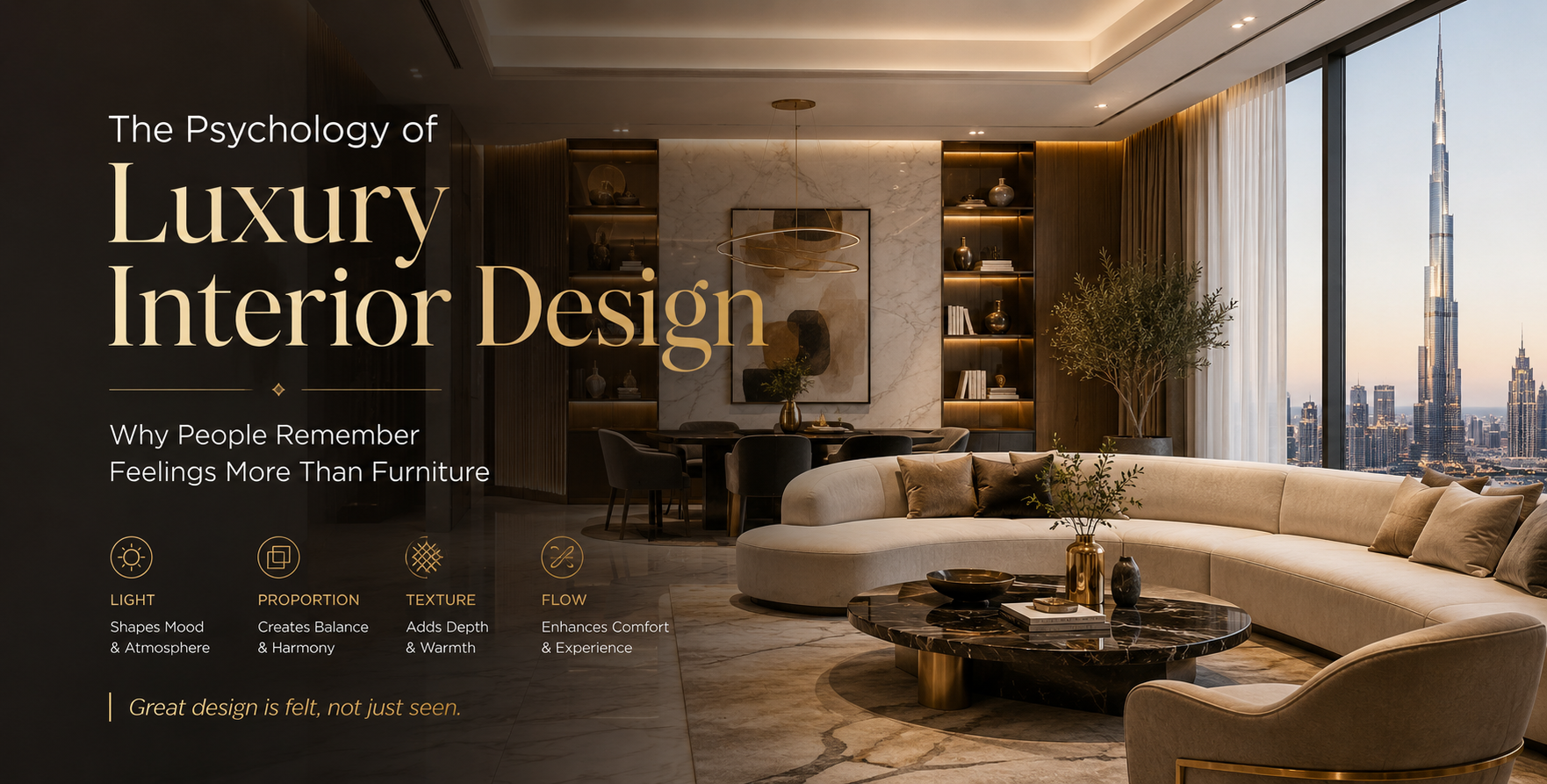
The Psychology of Luxury Interior Design

The Psychology of Luxury Interior Design

Why People Remember Feelings More Than Furniture

In luxury interior design, people rarely remember every piece of furniture, the exact wall color, or the brand of lighting used in a space. What they remember most is how the environment made them feel.

A beautifully designed villa, hotel, restaurant, or office leaves a lasting impression not because of decoration alone, but because of the emotional experience it creates. The feeling of calm, warmth, comfort, elegance, or inspiration often stays with people long after they leave the space.

This is the true psychology behind luxury interior design.

At Magicpoint Decoration, modern interior design is no longer only about aesthetics. It is about creating environments that improve the way people live, work, relax, and connect.

Why Emotion Matters More Than Decoration

Private Villa, Abu Dhabi

Many people associate luxury interiors with expensive furniture, marble finishes, chandeliers, or decorative accessories. While these elements can enhance a space, they are not what truly define luxury.

People connect emotionally to spaces.

A well-designed interior can make someone feel:

  • Relaxed after a stressful day
  • Comfortable during a meeting
  • Inspired inside a workspace
  • Welcomed in a hotel or restaurant
  • Peaceful inside their own home

This emotional response is what separates ordinary interiors from exceptional ones.

The most successful interior design projects are carefully planned around human experience, not just visual appearance.

The Psychology of Comfort in Interior Design

Comfort is not only physical. It is deeply psychological.

A room may contain premium furniture and luxurious materials, yet still feel uncomfortable or overwhelming. Another room may appear visually simple while feeling warm, calm, and inviting.

This happens because human beings naturally respond to environmental factors such as:

  • Lighting
  • Proportion
  • Texture
  • Spatial flow
  • Acoustics
  • Color balance
  • Natural materials

Often, people notice these elements subconsciously.

Luxury interior design focuses on creating emotional comfort through thoughtful planning and balanced design decisions.

In a fast-paced city like Dubai, where modern lifestyles can feel demanding and overstimulating, people increasingly seek interiors that provide calmness, functionality, and mental clarity.

Why Balance Is More Important Than Excess

One of the biggest misconceptions about luxury interior design is the idea that “more” automatically means “better.”

More decoration.
More materials.
More visual impact.

In reality, the most refined interiors are often the most balanced.

True luxury comes from restraint, harmony, and intentional design.

This is why modern luxury villas, hospitality spaces, and contemporary residences often feel sophisticated without appearing crowded or overly decorative.

Balance in interior design involves:

  • Proper furniture placement
  • Correct proportions
  • Visual harmony
  • Controlled color palettes
  • Consistent materials
  • Functional layouts

When these elements work together naturally, a space feels effortless and elegant.

What Makes an Interior Feel Luxurious?

Al Waleed Paradise Lobby

Many people searching for luxury interior design in Dubai ask the same question:

“What actually makes a space feel expensive?”

The answer is rarely a single dramatic feature.

Luxury is usually created through hundreds of thoughtful details working together seamlessly.

A luxurious interior often includes:

Layered Lighting

Lighting shapes mood, atmosphere, and comfort. Warm lighting creates relaxation, while natural lighting adds energy and openness.

High-Quality Materials

Natural stone, wood, metal, textured fabrics, and premium finishes add depth and authenticity to a space.

Precise Craftsmanship

Luxury becomes visible in the details — clean lines, precise joinery, seamless finishes, and refined construction quality.

Balanced Proportions

Furniture, ceiling height, spacing, and layout must feel visually balanced to create comfort and harmony.

Functional Spatial Planning

A luxury space should not only look beautiful but also support daily living effortlessly.

This is why even compact apartments or smaller villas can feel highly luxurious when designed correctly.

Why Some Spaces Instantly Feel Calm

Have you ever entered a hotel room, luxury villa, or modern office and immediately felt relaxed?

Usually, the feeling comes from subtle design psychology rather than obvious decoration.

The lighting feels soft.
The room feels organized.
The materials feel natural.
Nothing feels visually overwhelming.

The human brain naturally responds positively to order and balance.

When interiors contain excessive visual clutter or poor spatial planning, stress levels often increase without people realizing it.

Luxury hospitality design uses this principle exceptionally well. The world’s best hotels are designed to reduce stress and create emotional comfort from the moment guests enter the space.

Today, calmness itself has become a modern symbol of luxury.

The Importance of Light, Texture, Proportion, and Flow

Successful luxury interiors are built around several core design principles that quietly influence how people experience a space.

Light

Lighting is one of the most powerful elements in interior design.

  • Warm lighting creates intimacy
  • Natural lighting improves mood
  • Layered lighting adds sophistication
  • Accent lighting enhances textures and materials

Even the most expensive interior can feel incomplete under poor lighting conditions.

Texture

Luxury is not only visual — it is tactile.

Natural textures such as wood, stone, linen, leather, and brushed metals create richness without unnecessary decoration.

This is why modern luxury interiors increasingly prioritize authentic materials and sensory experiences.

Proportion

Correct proportions create visual comfort.

The relationship between furniture, ceiling height, room dimensions, and empty space significantly affects how a room feels emotionally.

Spatial Flow

Flow refers to how people naturally move through a space.

The best interiors guide movement effortlessly without confusion or visual obstruction.

This is especially important in luxury residential interiors, commercial spaces, and hospitality design projects.

Why the Best Interior Designs Never Feel Forced

Private Villa, Sharjah

One of the most fascinating aspects of luxury interior design is that the best spaces often appear effortless.

Behind that simplicity is usually extensive planning, experience, and refinement.

Exceptional interior design requires:

  • Deep understanding of human behavior
  • Attention to detail
  • Material knowledge
  • Spatial awareness
  • Lighting expertise
  • Functional planning

The goal is not to impress people with complexity.

The goal is to create spaces that simply feel right.

Modern Luxury Interior Design in Dubai

Luxury interior design in Dubai has evolved significantly in recent years.

Today’s clients increasingly prioritize:

  • Comfort over excess
  • Timeless design over temporary trends
  • Functionality over visual clutter
  • Quality over quantity
  • Calm environments over overstimulation

Modern luxury homes, offices, restaurants, retail spaces, and hospitality projects now focus more on lifestyle enhancement and emotional experience.

The most respected interior design companies in Dubai understand that modern luxury is no longer defined by how much is added to a space.

It is defined by how intelligently everything works together.

This is why contemporary luxury interiors often feature:

  • Neutral color palettes
  • Natural materials
  • Minimalist elegance
  • Thoughtful lighting design
  • Open spatial planning
  • Clean architectural lines

Luxury has become quieter, more refined, and more emotionally intelligent.

How Great Interior Design Improves Everyday Life

The highest level of interior design is achieved when people stop noticing the design itself and simply enjoy living within the space.

A successful home supports family routines naturally.

A successful office improves productivity without distraction.

A successful restaurant creates comfort and atmosphere effortlessly.

A successful hotel room helps guests relax immediately.

This is where luxury interior design becomes truly meaningful.

It quietly improves everyday experiences without demanding attention.

Final Thoughts

People rarely remember every detail of a space.

They remember how the environment made them feel.

They remember comfort.
They remember calmness.
They remember warmth.
They remember atmosphere.

This is the real power of luxury interior design.

At its best, interior design is not simply about furniture or decoration. It is about creating environments that enhance emotions, support lifestyles, and improve the quality of daily life.

That is why the most unforgettable interiors are not necessarily the loudest or most extravagant.

They are the ones that feel effortless, balanced, and deeply human.

Frequently Asked Questions

What is the psychology of luxury interior design?

The psychology of luxury interior design focuses on how spaces influence human emotions, comfort, mood, and behavior through lighting, proportion, materials, textures, and spatial planning.

What makes an interior feel luxurious?

Luxury interiors feel sophisticated through balance, quality materials, refined lighting, craftsmanship, and thoughtful functionality rather than decoration alone.

Why do people remember feelings more than furniture?

Human memory is strongly connected to emotional experiences. People often forget specific objects but remember how a space made them feel emotionally.

Why is lighting important in interior design?

Lighting shapes atmosphere, improves comfort, enhances textures, influences mood, and creates visual depth within a space.

Can small spaces feel luxurious?

Yes. Luxury is not determined by size. Small spaces can feel elegant and sophisticated when designed with proper layouts, premium materials, balanced proportions, and intelligent lighting.

Why is timeless interior design important?

Timeless interiors remain functional and visually appealing for years because they focus on balance, comfort, quality materials, and enduring design principles instead of short-term trends.

Why is modern luxury interior design becoming more minimal?

Modern luxury design increasingly prioritizes emotional comfort, calmness, functionality, and quality over excessive decoration and visual clutter.

Why Some Spaces Sell More Than Others:

The Hidden Psychology Behind Commercial Interior Design in Dubai

Two spaces. Same street. Similar budgets. Similar concepts. One becomes the place everyone talks about. The other wonders, quietly, what went wrong. The difference is rarely what most business owners expect, and understanding it is the beginning of everything.

The business reality most owners overlook

You have built something you believe in. The product is right, the team is ready, the location is good. But the moment a customer walks through your door, before they order, before they browse, before they sit down, they have already made a judgment.

Not about you. About the space.

Your physical environment is not the background to your business. It is an active participant in every transaction that happens inside it. It is working for you or against you from the moment the door opens,  and most business owners in Dubai only discover which one when the numbers start telling the story.

It influences:

  • How long customers stay, and how much they spend while they do
  • How they perceive your brand before a single word is exchanged
  • Whether they feel compelled to return, or simply do not come back

In a market where expectations are genuinely high and every competitor is fighting for the same attention, design is no longer a finishing touch. It is strategy.

Design is not decoration, it is behavior

Most commercial projects begin with the same brief: “Make it look good.”

It is the wrong place to start.

The spaces that truly perform, the restaurants with full tables on a Tuesday night, the offices where people arrive early, the retail stores where browsers become buyers, were not designed to impress. They were designed to guide. Every element was placed with a purpose. Every detail was chosen because of how it makes people feel and what it makes them do next.

A customer walks into a restaurant. They do not consciously notice the lighting, the acoustic panels, or the way the seating is arranged. They simply feel comfortable. They sit down. They stay longer. They order more. They come back. Not one of those outcomes was accidental.

This is commercial interior design done correctly. Not visible. Not impressive. Simply effective, in the truest sense of the word.

The psychology behind high-performing spaces in Dubai

Every detail in a commercial interior influences how people think, feel, and behave, most of the time without them realising it. Understanding these mechanisms is what separates a beautiful space from a performing one.

Element 01

Lighting, setting the emotional tone

Warm light creates comfort and invites people to slow down. Cooler light sharpens focus and signals professionalism. Layered lighting adds depth that people feel without being able to name. In a restaurant, the right lighting keeps tables occupied longer. In an office, it protects energy through the afternoon. Poor lighting, in even the most expensive space, creates a discomfort that quietly drives people away.

Element 02

Layout, the flow of experience

Where do people enter? Where do they naturally pause? Where do their eyes go first? A space that answers these questions correctly makes the customer’s journey feel effortless. A space that ignores them creates friction, missed products, awkward movement, interactions that never quite happen. In Dubai’s commercial environments, where the guest experience defines the reputation, flow is not a detail. It is the foundation.

Element 03

Materials, perceived value before a word is spoken

Dubai clients are design-aware in a way that is distinct from almost any other market. They read materials. Natural stone communicates permanence. Timber communicates warmth. Precision metalwork communicates attention to detail. The material palette of your space tells a story about your standards before your team says a single word, and it will either confirm your price point or quietly undermine it.

Element 04

Colour, communication before logic

Colour reaches people faster than thought. Neutral tones signal calm and refinement. Deep tones create exclusivity. Warm accents generate energy and pull attention. In a restaurant, colour influences appetite and mood. In a retail environment, it directs the eye. In an office, it shapes the culture of the room. Used without intention, colour is noise. Used with precision, it is one of the most powerful tools in the space.

The real cost of designing without strategy

We understand this conversation is uncomfortable. Nobody invests in a space hoping to be told it did not work. But the truth, and we owe you the truth, is that we see it regularly.

Spaces built with genuine care and real budgets. Spaces that look beautiful in photographs. Spaces that simply do not perform because the design was built around appearance rather than purpose.

The cost of poor commercial design is never just aesthetic. It is the customers who do not return. The team that does not settle. The brand perception that forms in the first thirty seconds and never fully recovers. Fixing a space after completion always costs more, in money, in time, and in the reputation that was quietly lost while the problems were building.

This is not said to alarm you. It is said because understanding this risk is what allows you to avoid it, and because you deserve a partner who is honest about what is at stake.

Experience matters, especially in Dubai

What works beautifully in London, Milan, or Tokyo does not automatically translate here. Dubai is its own world, and designing for it requires more than creativity imported from elsewhere.

It requires genuine understanding of how people in this city live, socialise, work, and make decisions. The cultural rhythms. The hospitality expectations. The particular relationship between indoor and outdoor space in a climate like this one. The way luxury is read differently here than anywhere else on earth.

These things cannot be learned from a design book. They come from years of completed projects, real spaces, real clients, real feedback from the market itself. Understanding client expectations, lifestyle patterns, and commercial behaviour in the UAE is what separates average design from results that last.

Beyond trends, designing for performance

Trends have a shelf life. A space built to look current today will need to be rebuilt in three years. We have watched it happen to some of the most visually impressive openings in Dubai, stunning at launch, dated before the lease renews.

The spaces that endure are built on something more durable than what is fashionable right now:

  • Clarity in layout, people always know where to go and feel comfortable getting there
  • Balance in materials, quality that ages with dignity rather than showing its age
  • Precision in execution, the details your clients notice without knowing why
  • Alignment with brand identity, so the space tells your story, not someone else’s

When these elements come together, the result is not just a space that looks exceptional. It becomes a performing asset, one that works for your business every hour it is open.

“The most successful commercial spaces in Dubai are not the most photographed ones. They are the ones people talk about after they leave, and return to without needing a reason.”

The silent power of word of mouth in the UAE

Marketing in Dubai is loud. Every opening is announced. Every renovation is celebrated. And yet the businesses that build the deepest, most durable reputations here do not lead with marketing. They let the experience do the work, and the experience begins the moment someone steps through the door.

When a space truly works, something happens that no advertising budget can replicate: people talk. They bring friends. They recommend without being asked. They become advocates not because they were sold to, but because they felt something inside your walls, and they want the people they care about to feel it too.

In the UAE, word-of-mouth remains one of the strongest signals of genuine quality. It cannot be manufactured. It can only be earned, one well-designed space at a time.

Spaces that work, not just impress

A well-designed commercial space in Dubai does more than photograph beautifully. It supports the growth of your business. It elevates how your brand is perceived. It creates the kind of customer experience that justifies your prices and earns loyalty that outlasts any promotion.

Whether it is a restaurant with tables that stay full, an office where your best people want to spend their time, or a retail space where the product almost sells itself, the difference, in every case, comes back to design.

The right question to start with

What should this space achieve for your business, and for every person who walks through its door?That is where every project at Magicpoint begins. Not with a mood board. Not with a budget conversation. With a genuine understanding of what you are building and who it is for.

When design is aligned with purpose, it stops being an expense. It becomes the reason people choose you over everyone else on the same street.

The first conversation is free. And it begins with listening.