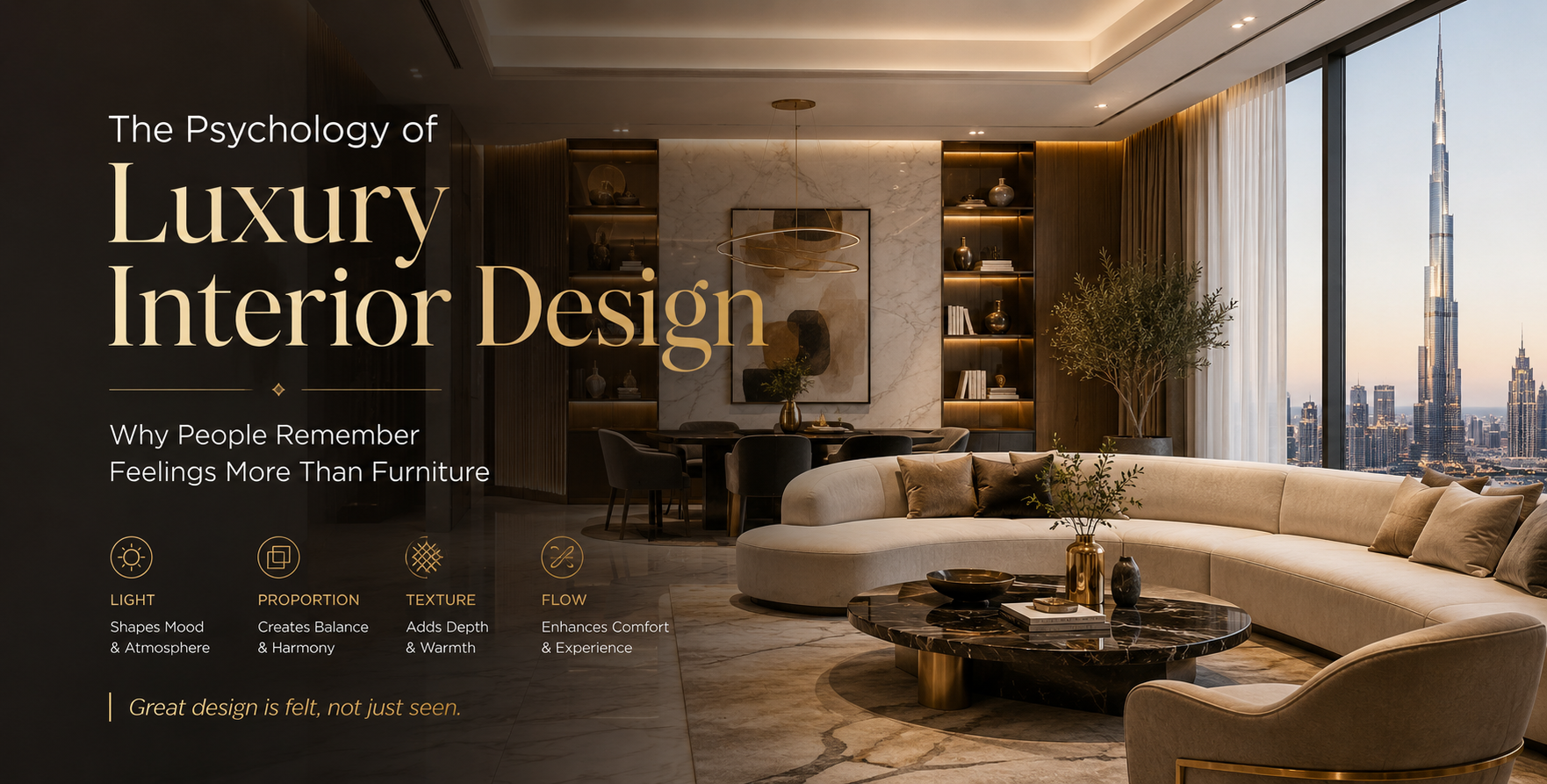
The Psychology of Luxury Interior Design
Why People Remember Feelings More Than Furniture
In luxury interior design, people rarely remember every piece of furniture, the exact wall color, or the brand of lighting used in a space. What they remember most is how the environment made them feel.
A beautifully designed villa, hotel, restaurant, or office leaves a lasting impression not because of decoration alone, but because of the emotional experience it creates. The feeling of calm, warmth, comfort, elegance, or inspiration often stays with people long after they leave the space.
This is the true psychology behind luxury interior design.
At Magicpoint Decoration, modern interior design is no longer only about aesthetics. It is about creating environments that improve the way people live, work, relax, and connect.
Why Emotion Matters More Than Decoration
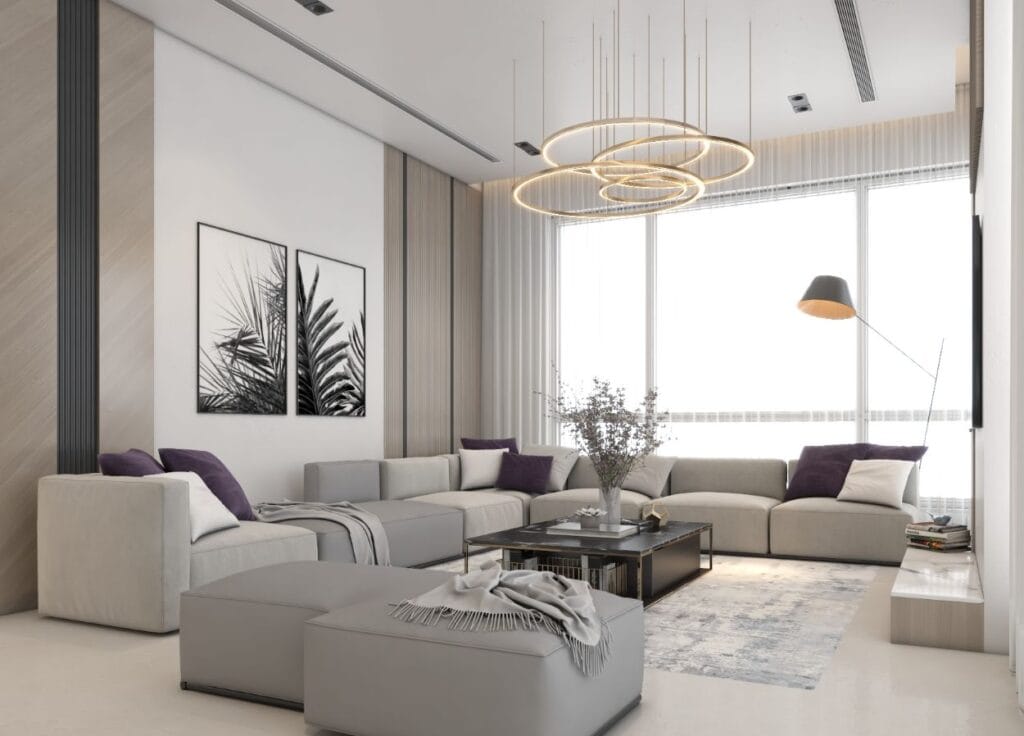
Many people associate luxury interiors with expensive furniture, marble finishes, chandeliers, or decorative accessories. While these elements can enhance a space, they are not what truly define luxury.
People connect emotionally to spaces.
A well-designed interior can make someone feel:
- Relaxed after a stressful day
- Comfortable during a meeting
- Inspired inside a workspace
- Welcomed in a hotel or restaurant
- Peaceful inside their own home
This emotional response is what separates ordinary interiors from exceptional ones.
The most successful interior design projects are carefully planned around human experience, not just visual appearance.
The Psychology of Comfort in Interior Design
Comfort is not only physical. It is deeply psychological.
A room may contain premium furniture and luxurious materials, yet still feel uncomfortable or overwhelming. Another room may appear visually simple while feeling warm, calm, and inviting.
This happens because human beings naturally respond to environmental factors such as:
- Lighting
- Proportion
- Texture
- Spatial flow
- Acoustics
- Color balance
- Natural materials
Often, people notice these elements subconsciously.
Luxury interior design focuses on creating emotional comfort through thoughtful planning and balanced design decisions.
In a fast-paced city like Dubai, where modern lifestyles can feel demanding and overstimulating, people increasingly seek interiors that provide calmness, functionality, and mental clarity.
Why Balance Is More Important Than Excess
One of the biggest misconceptions about luxury interior design is the idea that “more” automatically means “better.”
More decoration.
More materials.
More visual impact.
In reality, the most refined interiors are often the most balanced.
True luxury comes from restraint, harmony, and intentional design.
This is why modern luxury villas, hospitality spaces, and contemporary residences often feel sophisticated without appearing crowded or overly decorative.
Balance in interior design involves:
- Proper furniture placement
- Correct proportions
- Visual harmony
- Controlled color palettes
- Consistent materials
- Functional layouts
When these elements work together naturally, a space feels effortless and elegant.
What Makes an Interior Feel Luxurious?
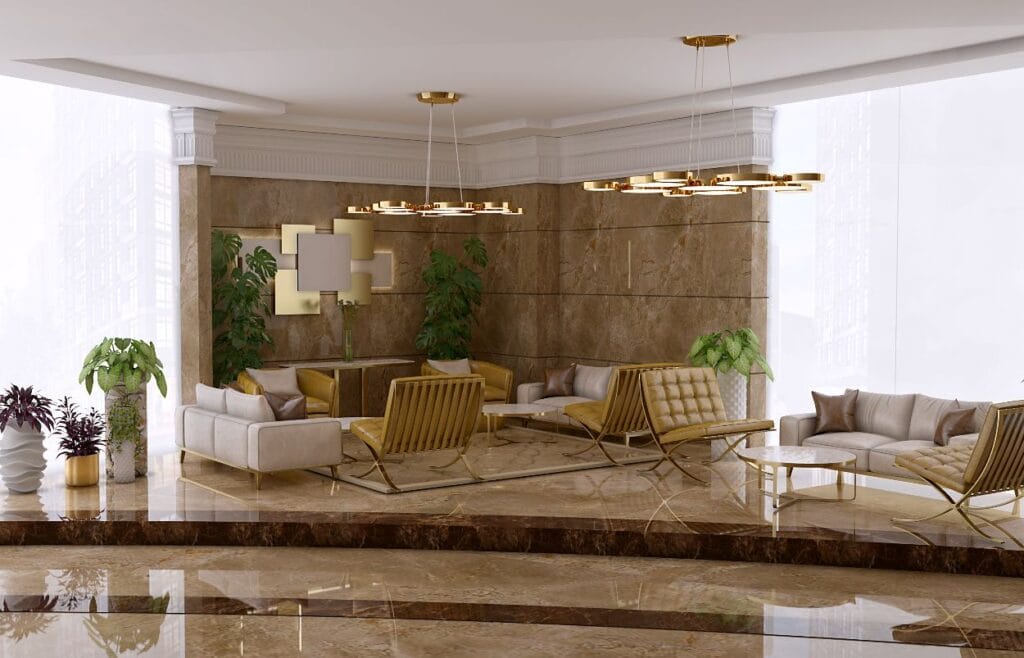
Many people searching for luxury interior design in Dubai ask the same question:
“What actually makes a space feel expensive?”
The answer is rarely a single dramatic feature.
Luxury is usually created through hundreds of thoughtful details working together seamlessly.
A luxurious interior often includes:
Layered Lighting
Lighting shapes mood, atmosphere, and comfort. Warm lighting creates relaxation, while natural lighting adds energy and openness.
High-Quality Materials
Natural stone, wood, metal, textured fabrics, and premium finishes add depth and authenticity to a space.
Precise Craftsmanship
Luxury becomes visible in the details — clean lines, precise joinery, seamless finishes, and refined construction quality.
Balanced Proportions
Furniture, ceiling height, spacing, and layout must feel visually balanced to create comfort and harmony.
Functional Spatial Planning
A luxury space should not only look beautiful but also support daily living effortlessly.
This is why even compact apartments or smaller villas can feel highly luxurious when designed correctly.
Why Some Spaces Instantly Feel Calm
Have you ever entered a hotel room, luxury villa, or modern office and immediately felt relaxed?
Usually, the feeling comes from subtle design psychology rather than obvious decoration.
The lighting feels soft.
The room feels organized.
The materials feel natural.
Nothing feels visually overwhelming.
The human brain naturally responds positively to order and balance.
When interiors contain excessive visual clutter or poor spatial planning, stress levels often increase without people realizing it.
Luxury hospitality design uses this principle exceptionally well. The world’s best hotels are designed to reduce stress and create emotional comfort from the moment guests enter the space.
Today, calmness itself has become a modern symbol of luxury.
The Importance of Light, Texture, Proportion, and Flow
Successful luxury interiors are built around several core design principles that quietly influence how people experience a space.
Light
Lighting is one of the most powerful elements in interior design.
- Warm lighting creates intimacy
- Natural lighting improves mood
- Layered lighting adds sophistication
- Accent lighting enhances textures and materials
Even the most expensive interior can feel incomplete under poor lighting conditions.
Texture
Luxury is not only visual — it is tactile.
Natural textures such as wood, stone, linen, leather, and brushed metals create richness without unnecessary decoration.
This is why modern luxury interiors increasingly prioritize authentic materials and sensory experiences.
Proportion
Correct proportions create visual comfort.
The relationship between furniture, ceiling height, room dimensions, and empty space significantly affects how a room feels emotionally.
Spatial Flow
Flow refers to how people naturally move through a space.
The best interiors guide movement effortlessly without confusion or visual obstruction.
This is especially important in luxury residential interiors, commercial spaces, and hospitality design projects.
Why the Best Interior Designs Never Feel Forced
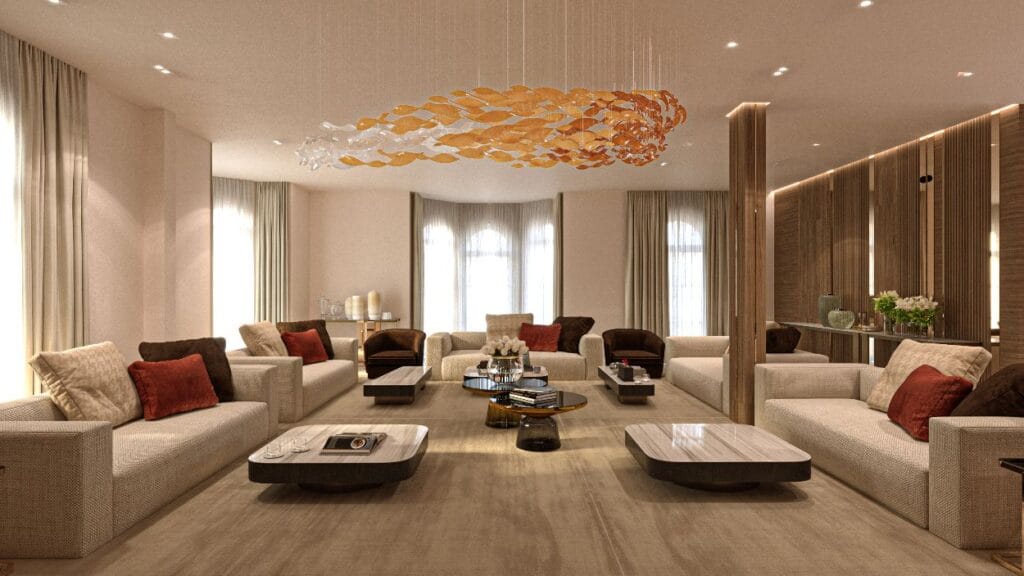
One of the most fascinating aspects of luxury interior design is that the best spaces often appear effortless.
Behind that simplicity is usually extensive planning, experience, and refinement.
Exceptional interior design requires:
- Deep understanding of human behavior
- Attention to detail
- Material knowledge
- Spatial awareness
- Lighting expertise
- Functional planning
The goal is not to impress people with complexity.
The goal is to create spaces that simply feel right.
Modern Luxury Interior Design in Dubai
Luxury interior design in Dubai has evolved significantly in recent years.
Today’s clients increasingly prioritize:
- Comfort over excess
- Timeless design over temporary trends
- Functionality over visual clutter
- Quality over quantity
- Calm environments over overstimulation
Modern luxury homes, offices, restaurants, retail spaces, and hospitality projects now focus more on lifestyle enhancement and emotional experience.
The most respected interior design companies in Dubai understand that modern luxury is no longer defined by how much is added to a space.
It is defined by how intelligently everything works together.
This is why contemporary luxury interiors often feature:
- Neutral color palettes
- Natural materials
- Minimalist elegance
- Thoughtful lighting design
- Open spatial planning
- Clean architectural lines
Luxury has become quieter, more refined, and more emotionally intelligent.
How Great Interior Design Improves Everyday Life
The highest level of interior design is achieved when people stop noticing the design itself and simply enjoy living within the space.
A successful home supports family routines naturally.
A successful office improves productivity without distraction.
A successful restaurant creates comfort and atmosphere effortlessly.
A successful hotel room helps guests relax immediately.
This is where luxury interior design becomes truly meaningful.
It quietly improves everyday experiences without demanding attention.
Final Thoughts
People rarely remember every detail of a space.
They remember how the environment made them feel.
They remember comfort.
They remember calmness.
They remember warmth.
They remember atmosphere.
This is the real power of luxury interior design.
At its best, interior design is not simply about furniture or decoration. It is about creating environments that enhance emotions, support lifestyles, and improve the quality of daily life.
That is why the most unforgettable interiors are not necessarily the loudest or most extravagant.
They are the ones that feel effortless, balanced, and deeply human.
Frequently Asked Questions
What is the psychology of luxury interior design?
The psychology of luxury interior design focuses on how spaces influence human emotions, comfort, mood, and behavior through lighting, proportion, materials, textures, and spatial planning.
What makes an interior feel luxurious?
Luxury interiors feel sophisticated through balance, quality materials, refined lighting, craftsmanship, and thoughtful functionality rather than decoration alone.
Why do people remember feelings more than furniture?
Human memory is strongly connected to emotional experiences. People often forget specific objects but remember how a space made them feel emotionally.
Why is lighting important in interior design?
Lighting shapes atmosphere, improves comfort, enhances textures, influences mood, and creates visual depth within a space.
Can small spaces feel luxurious?
Yes. Luxury is not determined by size. Small spaces can feel elegant and sophisticated when designed with proper layouts, premium materials, balanced proportions, and intelligent lighting.
Why is timeless interior design important?
Timeless interiors remain functional and visually appealing for years because they focus on balance, comfort, quality materials, and enduring design principles instead of short-term trends.
Why is modern luxury interior design becoming more minimal?
Modern luxury design increasingly prioritizes emotional comfort, calmness, functionality, and quality over excessive decoration and visual clutter.