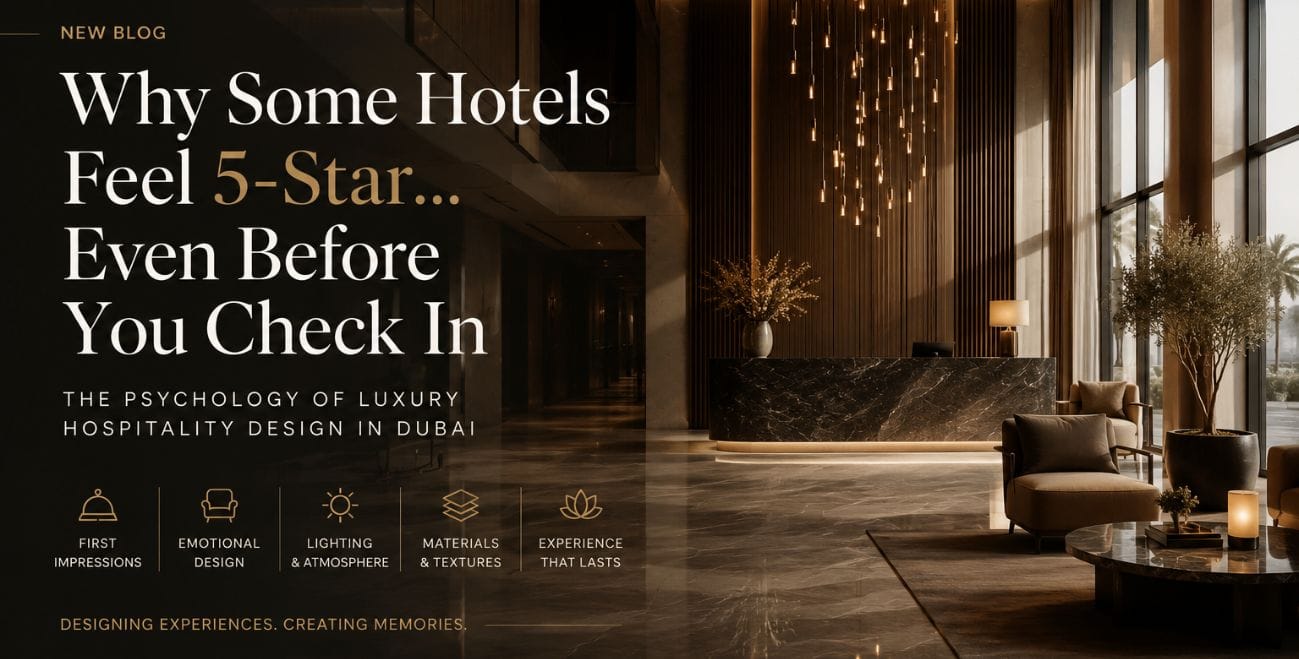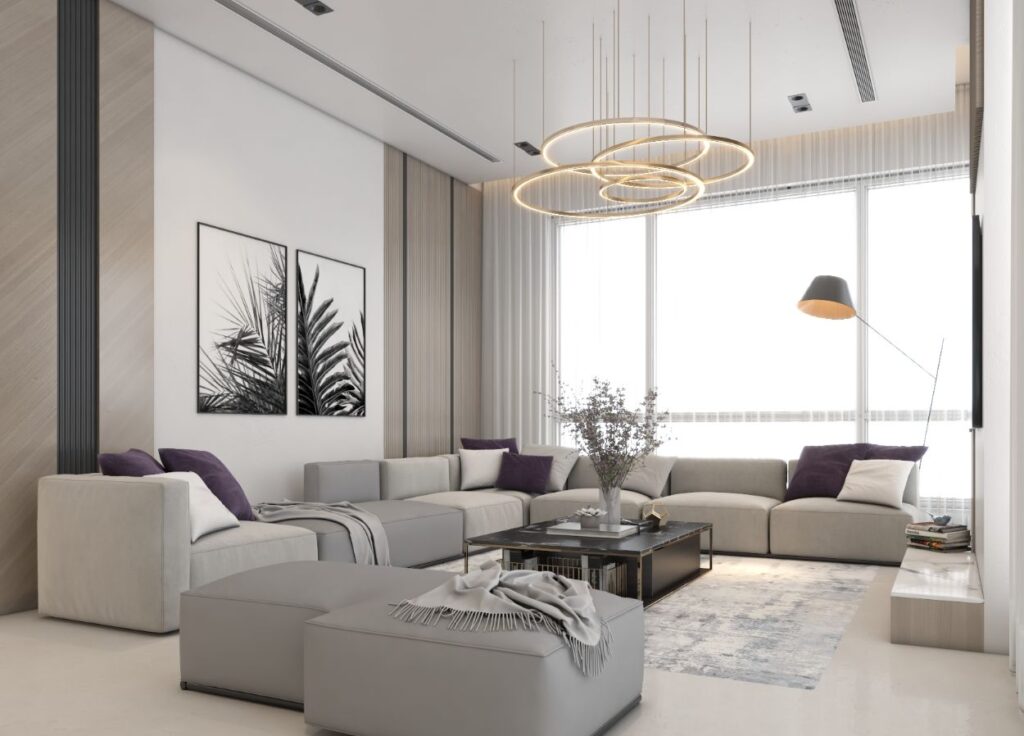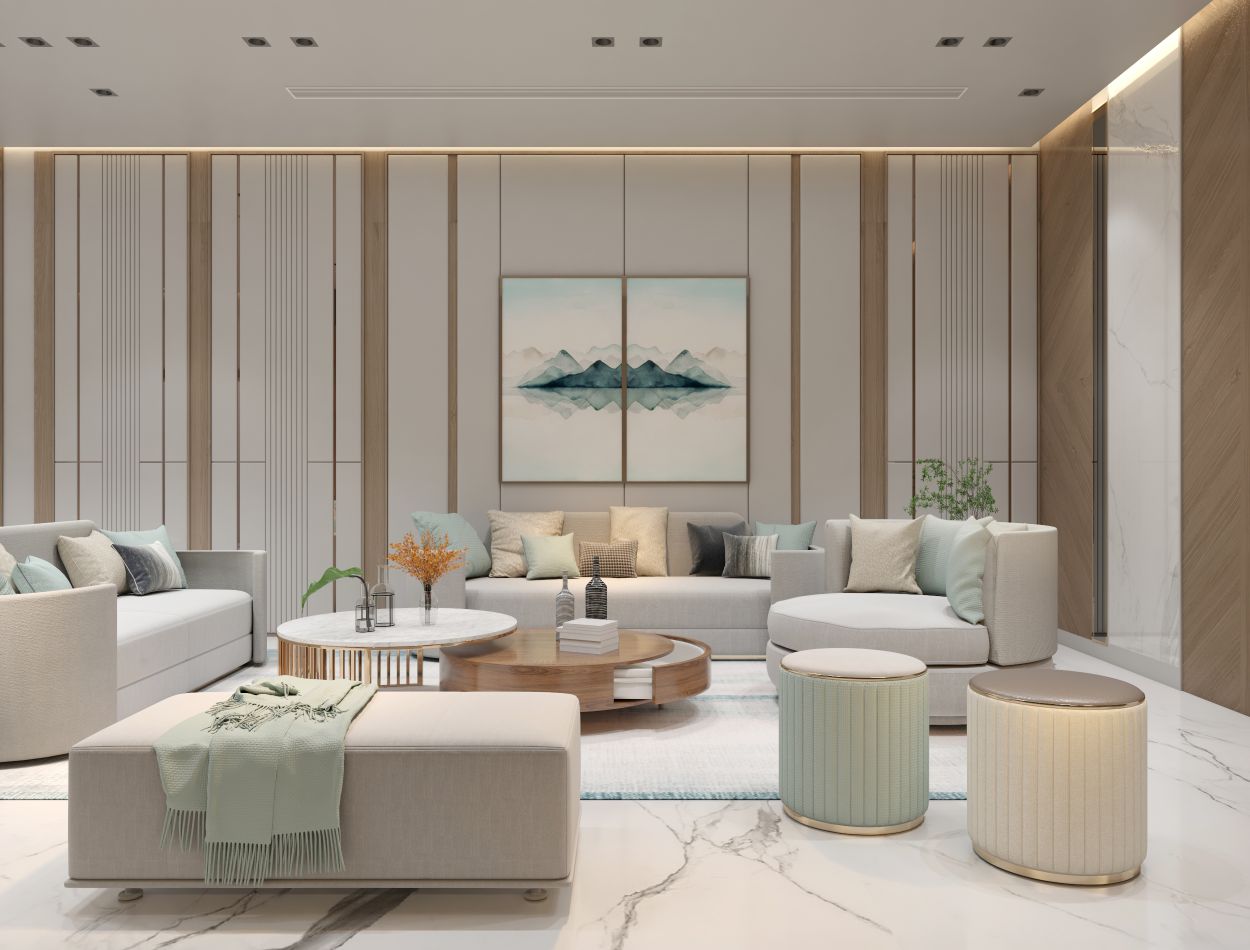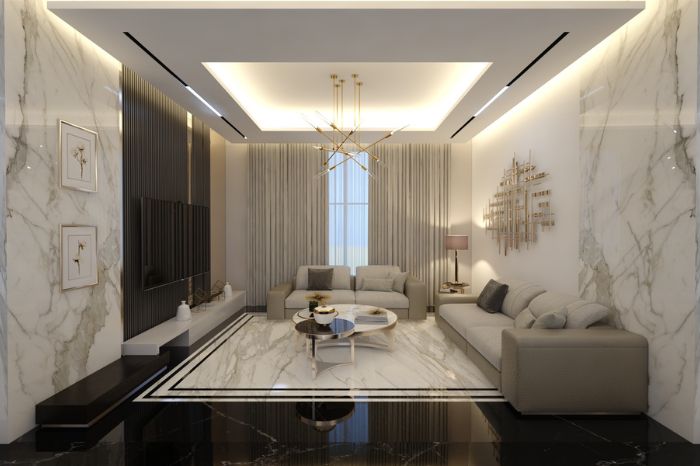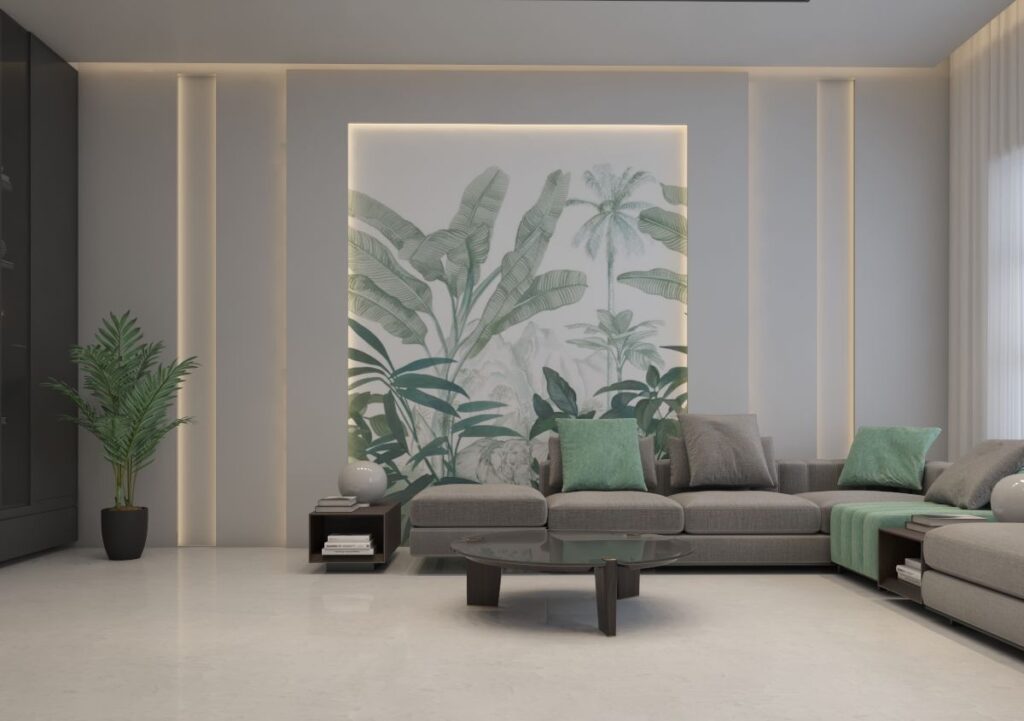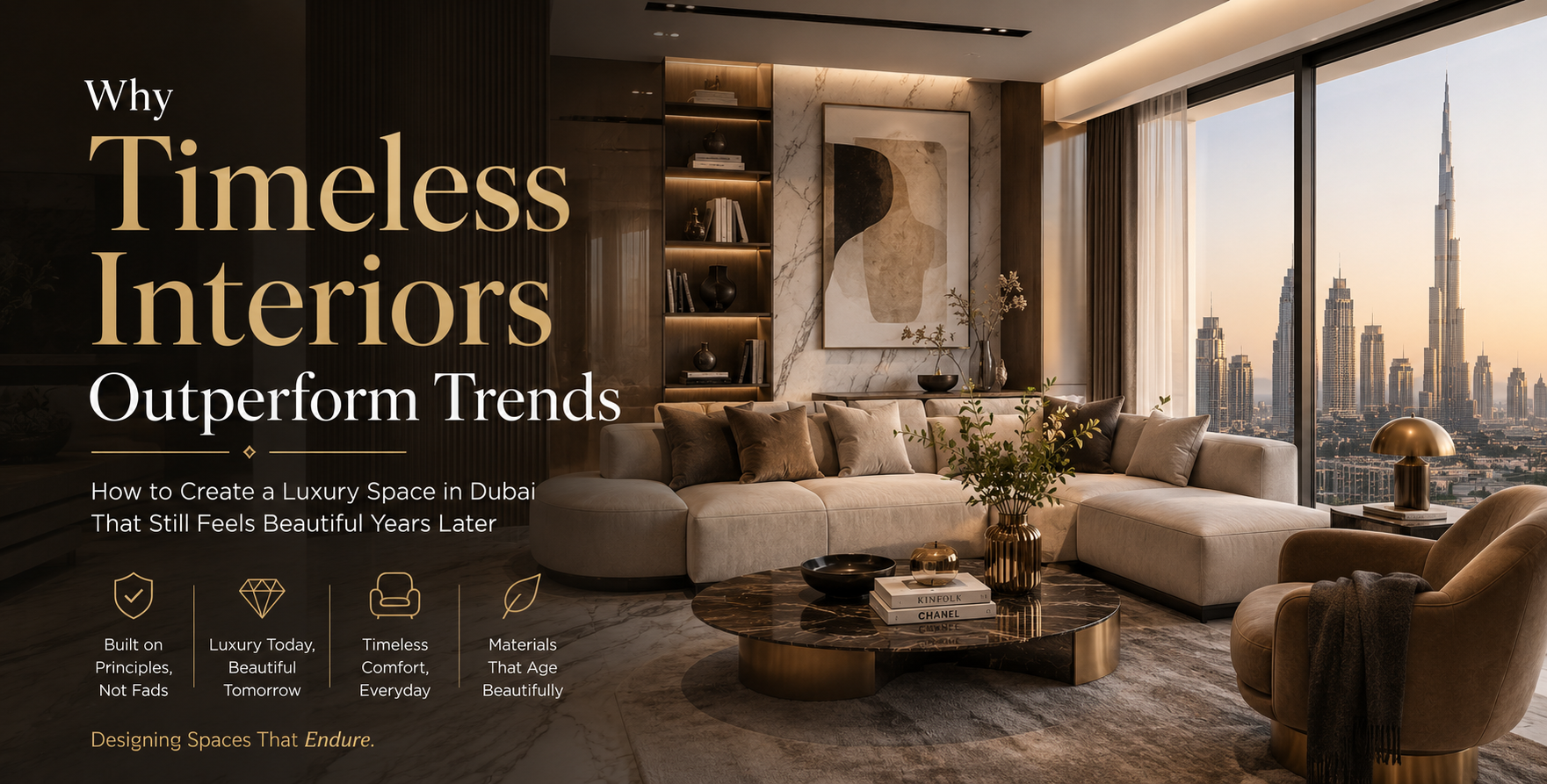
Why Timeless Interiors Outperform Trends
How to Create a Luxury Space in Dubai That Still Feels Beautiful Years Later
Luxury interior design trends constantly evolve. One year, curved furniture dominates design magazines. The next, minimalist interiors return. Social media continuously introduces new colors, materials, layouts, and aesthetics that quickly become popular across homes, hotels, offices, and retail spaces.
In a fast-moving city like Dubai, where innovation and luxury are deeply connected to lifestyle, trends spread rapidly. Clients naturally want interiors that feel modern, elegant, and visually impressive.
There is nothing wrong with following trends.
Trends inspire creativity. They introduce fresh perspectives and help designers explore new ideas.
However, the challenge begins when an entire interior is designed around what is fashionable today without considering how it will feel years later.
Because true luxury interior design is not only about creating a strong first impression.
It is about creating a lasting one.
The Problem With Trend-Driven Interiors
Many interiors look extraordinary when they are first completed.
The photography looks stunning.
Guests feel impressed.
Social media engagement increases.
Everything feels exciting and new.
But over time, something changes.
Design trends that once felt unique begin appearing everywhere. The excitement fades, and the interior slowly becomes tied to a specific design era instead of feeling timeless and refined.
This is one of the biggest risks of trend-driven interiors.
Trends are designed to evolve.
Timeless interior design is designed to endure.
The world’s most admired luxury villas, hospitality spaces, hotels, and residences are rarely remembered because they followed trends. They are remembered because they created environments that remained beautiful, comfortable, and relevant for years.
One approach follows fashion.
The other follows human nature.
What Timeless Interior Design Really Means
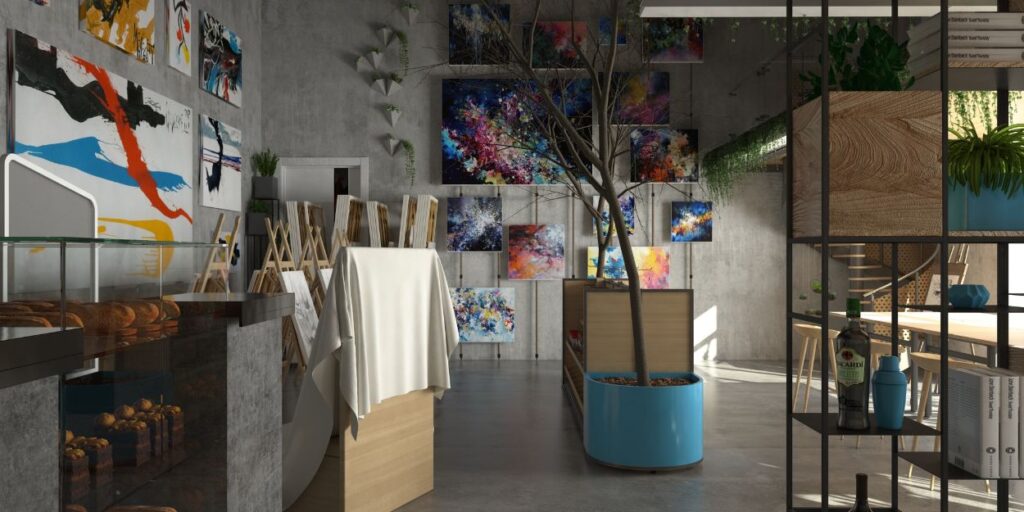
Many people assume timeless interior design means playing it safe or avoiding creativity.
That is not true.
Timeless interiors are not boring interiors.
They are simply designed around principles instead of temporary trends.
These principles include:
- Balance
- Proportion
- Quality materials
- Thoughtful lighting
- Functional layouts
- Refined craftsmanship
- Human-centered design
A well-proportioned room will always feel comfortable.
Natural materials will always feel authentic.
Quality craftsmanship will always be appreciated.
Comfort will always matter.
These qualities remain valuable regardless of changing trends.
This is why timeless luxury interiors continue to feel elegant even decades later.
Why Luxury and Timelessness Naturally Work Together
Luxury and timelessness share one important characteristic:
Both rely on confidence rather than attention.
Trend-focused interiors often try to stand out immediately.
Timeless luxury interiors do not need to demand attention. Their sophistication comes from balance, quality, and emotional comfort.
This is why many of the world’s most respected luxury hotels, residences, and hospitality spaces focus on:
- Authentic materials
- Elegant detailing
- Exceptional craftsmanship
- Balanced lighting
- Calm atmospheres
- Functional comfort
These spaces rarely feel outdated because they were never designed around temporary excitement.
They were designed around lasting value.
Modern luxury is often quieter, more refined, and more emotionally intelligent.
Luxury Interior Design in Dubai: Designing for Today and Tomorrow
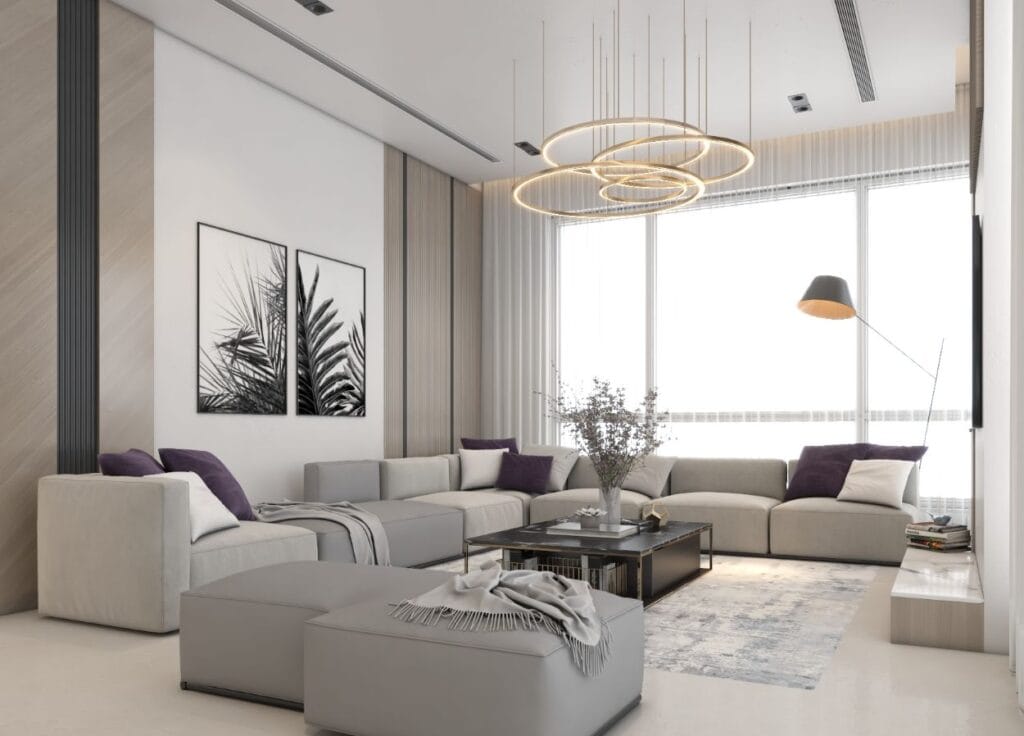
Luxury interior design in Dubai exists within a unique environment.
Dubai embraces innovation, ambition, architecture, and rapidly evolving lifestyles. New trends emerge constantly, influenced by global design movements, luxury hospitality concepts, and digital culture.
At the same time, clients expect long-term value from their investment.
Whether it is:
- A luxury villa renovation
- A premium apartment interior
- A hospitality project
- A commercial office
- A retail destination
These spaces should continue feeling elegant and relevant for years to come.
After years of delivering luxury interior design and fit-out projects across the UAE, companies like Magicpoint Decoration have witnessed countless design trends rise in popularity and eventually disappear.
One lesson consistently remains true:
The interiors that age beautifully are rarely the ones designed entirely around trends.
They are the ones built on strong foundations.
Thoughtful layouts.
Balanced proportions.
Timeless detailing.
Quality materials.
Comfort-focused planning.
The most successful interior design projects in Dubai understand how to balance innovation with longevity.
They embrace modern ideas where they add value, but avoid allowing short-term trends to dominate permanent design decisions.
This creates interiors that feel modern today while remaining beautiful years later.
The Materials That Age Beautifully
Materials play a major role in timeless interior design.
Some materials improve with age, while others lose their appeal surprisingly quickly.
The most successful luxury interiors often rely on authentic materials that have proven their value over decades rather than seasons.
Natural Stone
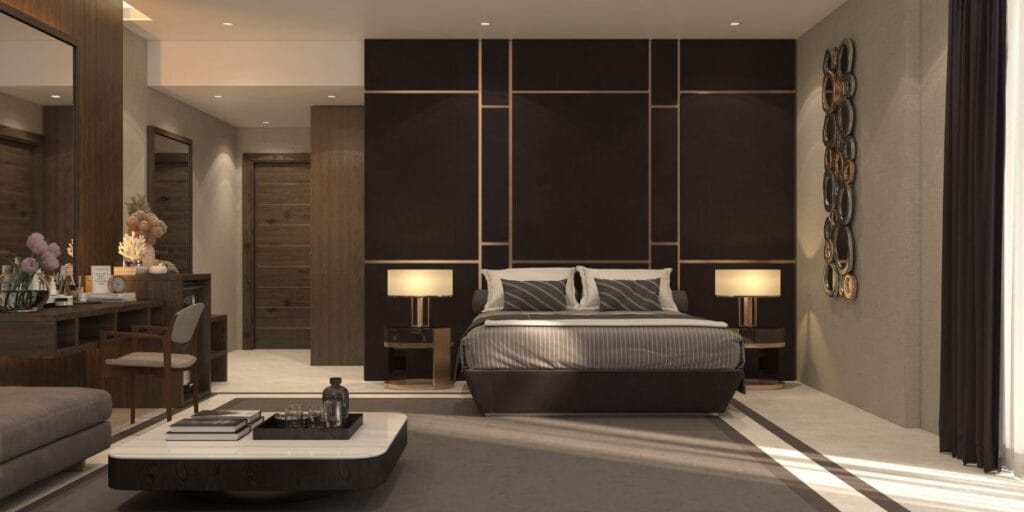
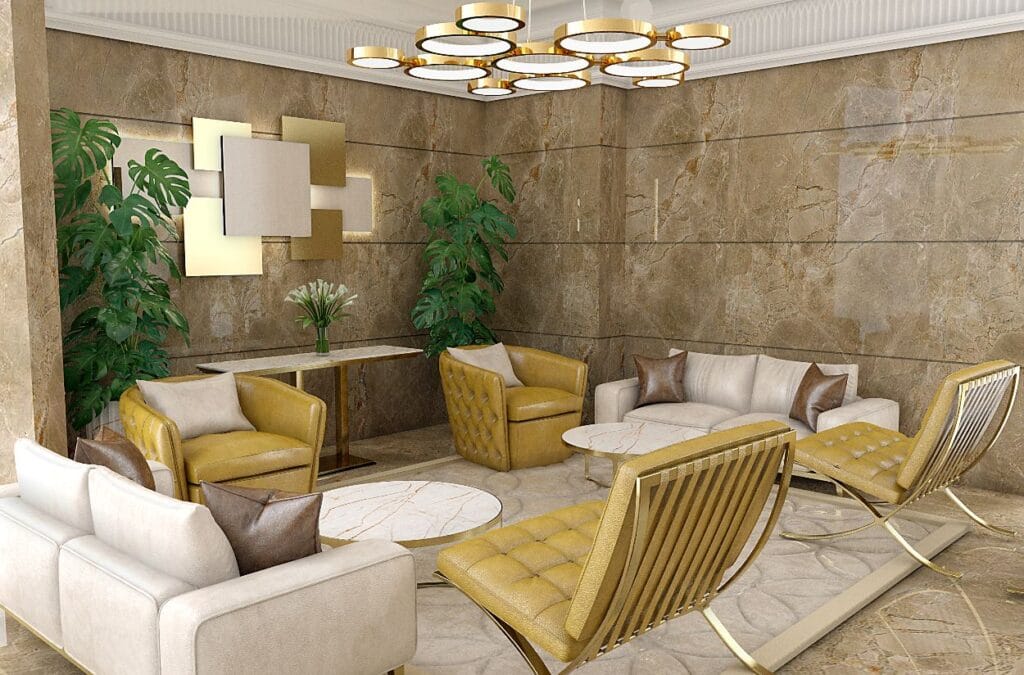
Marble, limestone, and travertine have remained desirable for centuries because they add texture, depth, and authenticity.
Wood
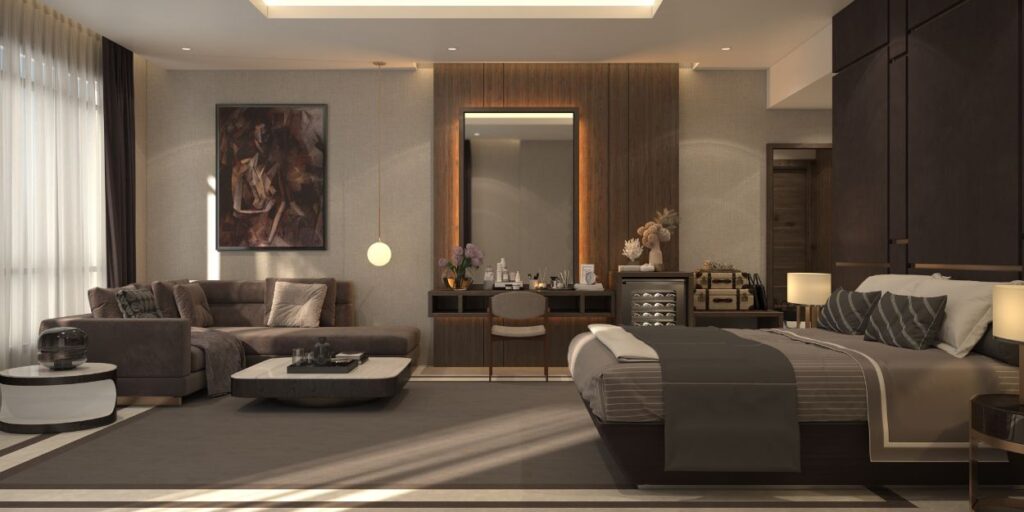
Wood introduces warmth and character into a space. Unlike many synthetic materials, quality wood often becomes more beautiful over time.
Metal Details
Brushed brass, bronze, and blackened steel create elegance without overwhelming the interior.
High-Quality Fabrics
Natural textiles add comfort, sophistication, and softness while supporting a timeless aesthetic.
The common factor is authenticity.
Materials that feel genuine tend to age far more gracefully than materials selected purely because they are currently fashionable.
Why Balance Matters More Than Fashion
Many people assume luxury interiors require more visual impact.
More textures.
More statement pieces.
More colors.
More decoration.
Yet some of the world’s most elegant interiors achieve the opposite.
They simplify.
They refine.
They create balance.
Balance allows architecture to breathe. It allows materials to stand out naturally and helps people feel emotionally comfortable within a space.
Luxury often begins when every design element serves a purpose.
When nothing feels excessive.
When nothing feels missing.
This sense of harmony is one of the most sophisticated forms of interior design.
And unlike trends, balance never goes out of style.
What Luxury Hotels Teach Us About Timeless Design
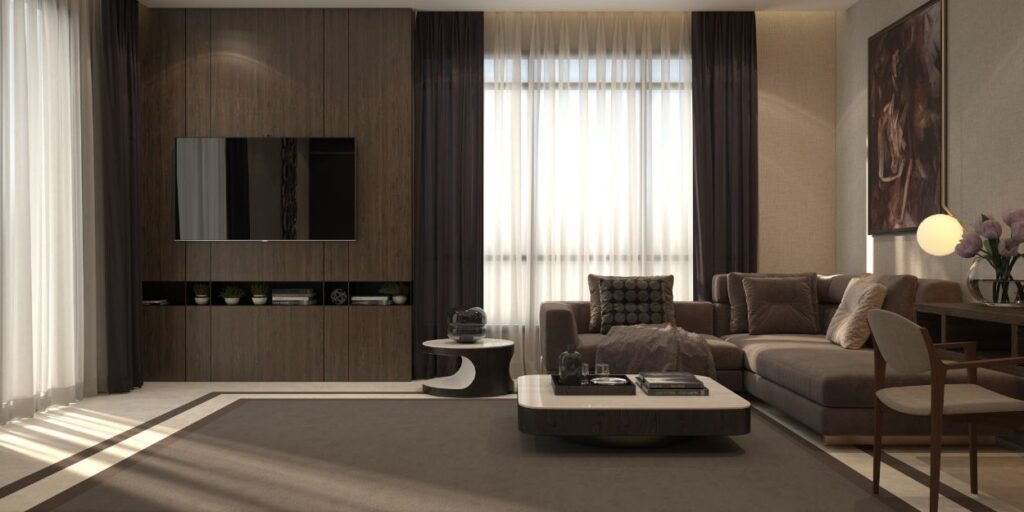
Luxury hospitality design offers one of the best lessons in timeless interiors.
Hotels cannot redesign every year to follow trends. Their interiors must remain attractive and comfortable for long periods.
The world’s best hotels understand this.
They focus on:
- Atmosphere
- Comfort
- Lighting
- Spatial flow
- Material quality
- Emotional experience
The result is an environment that continues to feel elegant long after trends have changed.
This is one reason many homeowners today seek hotel-inspired interior design.
They are not simply looking for hotel furniture.
They are searching for the feeling exceptional hospitality creates:
Calmness.
Comfort.
Ease.
Sophistication.
Where Trends Should Be Used in Interior Design
This does not mean trends should be completely ignored.
The best luxury interiors often include carefully selected contemporary influences.
The key is knowing where trends belong.
Good Areas to Introduce Trends
- Artwork
- Decorative lighting
- Accessories
- Accent furniture
- Styling details
These elements can easily evolve over time.
Areas Where Timelessness Should Lead
- Flooring
- Kitchens
- Bathrooms
- Architectural details
- Joinery
- Core material selections
These are long-term investments that should remain beautiful and functional for many years.
The most successful interiors combine timeless foundations with carefully chosen modern accents.
This creates freshness without sacrificing longevity.
Designing a Space You Will Still Love Years Later
One simple question can completely change the design process:
“Will I still love this five years from now?”
When clients ask this question, priorities often shift.
Comfort becomes more important.
Quality becomes more important.
Functionality becomes more important.
The focus moves beyond short-term visual impact toward long-term satisfaction.
Timeless luxury interiors are designed for real life.
They support routines naturally.
They adapt to changing lifestyles.
They continue feeling comfortable and elegant over time.
This long-term perspective is one of the defining characteristics of successful luxury interior design.
Final Thoughts
There is nothing wrong with wanting a visually impressive space.
Luxury interior design should inspire. It should create memorable experiences and reflect personal aspiration.
But there is a major difference between impressing people temporarily and creating an interior that continues to bring comfort and beauty year after year.
One is temporary.
The other is lasting.
The most successful interiors achieve both.
They create an immediate impression while remaining timeless, comfortable, and emotionally relevant long after trends evolve.
This is the true value of timeless interior design.
Not because it avoids change, but because it understands what never changes:
The human desire for beauty.
Comfort.
Balance.
Calmness.
Belonging.
And that is why timeless interiors continue to outperform trends.
Frequently Asked Questions
What makes a luxury interior design project successful?
A successful luxury interior combines functionality, comfort, quality materials, thoughtful lighting, and a design that reflects the client’s lifestyle rather than temporary trends.
How do I choose the right interior design style for my home in Dubai?
The best approach is to start with how you want the space to feel rather than how it should look. A professional interior designer can help balance personal taste, functionality, and long-term value.
What materials work best for luxury interiors in the UAE climate?
Natural stone, porcelain slabs, engineered wood, premium fabrics, and high-quality metal finishes are often preferred because they combine durability with timeless elegance.
Are design trends bad for luxury interiors?
Not at all. Trends can add freshness and personality. The key is using them in elements that can be updated easily, while keeping the foundation of the space timeless.
Why do some luxury interiors feel more comfortable than others?
Comfort is influenced by lighting, layout, acoustics, proportions, materials, and flow. Luxury is often felt emotionally before it is noticed visually.
What is the difference between expensive and luxurious interior design?
Expensive design focuses on cost. Luxury design focuses on experience, craftsmanship, comfort, detail, and lasting value.
How can hotel-inspired design improve a villa or apartment?
Hospitality design emphasizes comfort, relaxation, lighting, flow, and atmosphere. These principles help create homes that feel calm, elegant, and welcoming.
How long should a well-designed luxury interior remain relevant?
A thoughtfully designed interior should remain beautiful and functional for many years, requiring only minor updates rather than complete renovations.
Why do many luxury hotels avoid extreme design trends?
Because hospitality projects are built for long-term guest satisfaction. Hotels often prioritize comfort, quality materials, and timeless design principles over short-lived trends.
Why do clients choose experienced interior design companies in Dubai?
Experience helps designers make better decisions about materials, layouts, lighting, functionality, and long-term performance. Companies that have delivered projects across villas, hospitality, retail, and commercial sectors bring valuable practical knowledge to every project.